Year-Round Cultivating Plans for WA Landscapes
Building a luscious garden in Bellevue WA means working strategically with the unique conditions of USDA hardiness zone 8 and the Pacific Northwest’s cool climate. From shaping edible garden layouts to selecting drought-tolerant plants Washington thrives, every choice impacts your landscape’s beauty.
- Add Pacific Northwest native species for eco-friendly landscaping
- Hire a landscape architect Bellevue or King County Master Gardeners for expert garden design ideas
- Optimize irrigation system design and mulching services to support water conservation landscaping
Whether you're pursuing organic gardening, building outdoor living spaces, or scheduling a garden renovation, professional garden maintenance services and soil amendment can transform your Bellevue WA landscaping vision into reality.
Decoding the Regional Environment and Earth Quality

Northwest Cultivation Regions
Bellevue sits firmly within coastal zone 8, suggesting that winter lows rarely dip below 10–15°F, allowing a extensive range of returning plants to flourish. Plant lovers in Bellevue can explore with both non-hardy exotics and resilient natives year after year. Partnering with a certified arborist ensures your yard upgrade aligns with regional climate realities.
Earth Evaluation for Gardens
Accurate soil testing is the first step in any successful garden design in Bellevue WA landscaping. Most local soils are poorly draining, calling for targeted soil amendment to promote root growth. Certified arborists offer affordable testing kits or services. Based on results, you can increase fertility for optimal plant yield.
- Improve soil with compost from certified sources
- Evaluate every few cycles to monitor nutrient levels
Thermal Zones in Bellevue Homes
Even within a single yard, temperature zones can shift drastically due to structures, terrain, and sun exposure. A protected nook may behave like zone 7, while a sun-bathed wall creates zone 9 growing potential. Smart yard mapping leverages these zones for broader planting options. Monitoring where frost lingers or heat collects helps optimize your perennial garden beds.
Best Plants for Moist Ground
With Bellevue’s wet winters, selecting plants that endure wet soil is crucial for long-term landscaping. Bioswales are proven solutions that also support water conservation landscaping. Indigenous plants like red twig dogwood, western sword fern, and Joe-Pye weed excel in these conditions. Matching them with professional grading prevents root rot and accelerates plant vigor.
- Install a rain garden using native plants Washington
- Address poor drainage with grading work from a drainage expert
Outdoor Planning Expertise for Local Gardens
Personalized Landscape Blueprints
Skilled garden designer can reimagine your space with custom garden design plans. These comprehensive plans include planting layouts and phasing. Whether you're starting from scratch or undergoing a garden renovation, a intelligent design prevents costly errors. Work with a local firm to align your vision with budget.
- Receive a detailed plan with material specs
- Integrate edible garden design based on your family needs
Sustainable Garden Designers
Choosing a sustainable yard consultant ensures your project supports regenerative outcomes. These experts specialize in native plant integration and soil health. They often collaborate with certified arborists to source low-impact materials. Beginning at permeable paving, every element cuts environmental impact.
Small Space Yard Designs
For condos, efficient design strategy is essential. Boost vertical space with stacked planters and combine foliage plants in modular boxes. Pathways should be narrow to conserve planting area. A design-savvy yard planner can design hidden potential in even the smallest yard.
- Install cascading baskets for interest
- Pick space-efficient features like convertible tables
Exterior Lifestyle Integration
Today’s Bellevue gardens go beyond planting—they’re usable family areas. Graceful flow between house and yard involves patios and sound systems. A smartly planned space invites daily use, whether for gardening. Combine these elements with edible gardens to harmonize comfort.
Native and Drought-Tolerant Flora for Bellevue Gardens
Best Native Plants for PNW
Using local flora is a smart move for any Bellevue garden. These varieties are suited to pests, requiring reduced maintenance. Popular choices include salal, Oregon grape, red flowering currant, and camas—each feeding native insects. Work with conservation groups to find authentic, non-invasive stock.
- Upgrade thirsty species with low-care shrubs
- Create a wildlife-supporting garden using indigenous mixes
Minimal Effort Outdoor Establishment
Over-scheduled homeowners love low-maintenance gardens that appear inviting with infrequent effort. Plant disease-resistant species and group plants by water needs to simplify care. Mulching services significantly reduce watering. Combine these with native plantings for a sustainable yard.
Bee-Safe Yard Concepts
Helping declining native insects starts in your own landscape. Design your garden with a season-long bloom sequence using drought-tolerant perennials. Avoid pesticides and plant host plants like milkweed and yarrow. Enhance habitat with brush piles—small touches that deliver a measurable ecological benefit.
- Feature a assortment of bloom colors to attract diverse bees
- Retain some ground cover over winter for shelter
Efficient Garden Designs
Even in rainy Bellevue, smart water conservation landscaping is responsible. Use an smart controller to deliver water only where needed. Prioritize drought-tolerant plants that survive with infrequent summer watering. Merge this with permeable hardscaping for a low-impact landscape that persists through dry spells.
Year-Round Garden Planning in Bellevue WA
Planting Schedule for Bellevue Gardens
Launching your garden in Bellevue WA means aligning your sowing with USDA hardiness zone 8. Cool-season crops like kale thrive when sown in mid-spring, while raised garden beds benefit from organic matter before positioning native plants Washington.
- Begin seeds in greenhouses 6–8 weeks before last frost
- Incorporate irrigation system design early for eco-friendly gardening
- Consult King County Master Gardeners for regionally adapted stock
Autumn Preparation and Bed Readiness
As summer wraps up, strategic fall cleanup sets the stage for spring bloom. Pull up diseased foliage to minimize fungus, and add compost to nourish perennial crowns. This is also the optimal window to plant cold-hardy perennials and enhance drainage solutions if needed.
Frost-Tolerant Plant Choices
Through Bellevue’s cloudy months, your landscape can retain appeal with intentionally chosen species. Architectural grasses like heuchera offer continuous visual value, while cold-season plants such as witch hazel add unexpected life. Pairing these with mulching services ensures hardiness through wet winters.
Four-Season Visual Interest Designs
Achieving a garden that engages in four seasons requires sequencing bloom times. Blend summer-blooming plants to guarantee constant seasonal impact. Add evergreen foliage for cold-month charm, and supplement with landscape lighting for added personality.
- Plant snowdrop for winter blooms
- Choose shrubs with colorful bark
- Design plants by height and bloom cycle for seamless transitions
Built Elements and Functional Details
Entertainment Zones and Walkway Styling
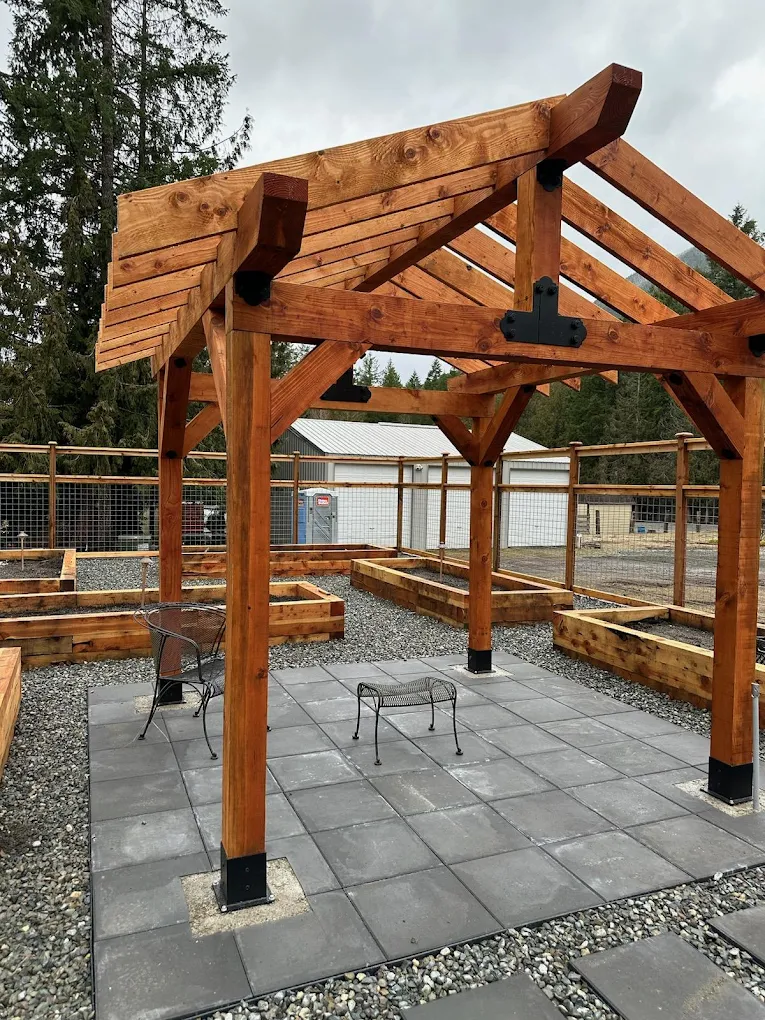
Designing entertaining areas and garden path ideas transforms your Bellevue WA landscaping into a usable extension of your home. Select materials like recycled brick to harmonize with the native aesthetic while ensuring safety. Meandering paths invite exploration, while accessible surfaces handle Bellevue’s wet climate with ease.
- Add crushed stone for stormwater management
- Plan paths at least 3–4 feet wide for comfortable walkability
Garden Glow Integration
Strategic illumination design extends the use of your garden far beyond daylight. Install path lights to emphasize art pieces, while providing ambiance. Select solar-powered options to align with water conservation landscaping principles.
Rain Gardens and Garden Focal Points
Creating a pond brings tranquility to your yard. Choose a recirculating stream that complements your overall design. Rain garden installation not only host birds but also manage runoff using perennial garden beds—an ideal fit for eco-friendly landscaping.
Graded Barriers and Sloped Design
In sloped yards, engineered structures provide stability. Build them using concrete blocks to control soil loss while forming planting pockets. Layering also enhances irrigation system design, especially in areas prone to water pooling.
- Incorporate drainage rock behind walls for long-term stability
- Grow shrubs along edges to further anchor soil
Professional Landscapers and Investment in Bellevue WA
Standard Garden Design Costs
Budgeting the typical fees for custom layouts helps you plan resources effectively. In King County, comprehensive concept layouts from a licensed pro can range from $2,500, depending on complexity. Design-build projects including irrigation often start around $50,000+ , especially with edible garden design.
Bonded Outdoor Builders in WA
Hiring a reputable landscaping company in King County protects your property. Verify they hold an active workers’ comp coverage check this and have a track record with drainage solutions. Choose firms that collaborate with a soil specialist for integrated results.
- Request for portfolios showcasing Pacific Northwest native species
- Check reviews on BBB before committing
Complimentary Concept Meetings
Reputable landscape architecture firms offer complimentary design consultations to explore your vision. Use this moment to ask questions about plant selection. Prepare photos, sketches, and a list of budget limits to make the most of your consult.
Project Duration Management
Realistic schedules are essential for executing your landscape build. Simple projects like lighting installs may take a few visits, while full-yard overhauls with irrigation can span up to half a year. Account for time for plant establishment—especially in King County’s temperate climate.
- Permitting phase: 2–6 weeks
- Structural work: 4–10 weeks
- Irrigation: 2–4 weeks
FAQ About Garden design and planting in Bellevue WA
Which are the top garden design ideas for Bellevue WA residences
Crafting a stylish garden in Bellevue WA starts with considering the local climate, soil, and topography. Incorporate elements like perennial garden beds to boost both seasonal interest and usability. Hiring a local design expert can help refine your vision using proven garden design ideas.
Features such as garden paths add ambiance while improving use. Add container gardening to support low-maintenance appeal in USDA hardiness zone 8.
What’s the best way to select plants that flourish in Bellevue
Focus on native plants Washington that naturally thrive in the region’s heavy rainfall. Varieties such as red-flowering currant, sword fern, and western columbine need minimal watering and prevent pests, making them ideal for sustainable gardening. Connect with certified arborist-recommended suppliers to find regionally adapted stock.
Combine your native selections with professional grading to boost root development and garden resilience. Avoid invasive exotics in favor of eco-conscious greenery that support local ecosystems.
What are drought-smart outdoor space solutions for urban yards
Adopt water conservation landscaping that minimize the need for chemical inputs. Incorporate container gardening to simplify care. Additions including landscape lighting can enhance usability without demanding extra labor.
Local outdoor design companies offer organic gardening programs to keep your space healthy year-round. Investigate a full landscape redesign with a focus on drainage solutions to increase enjoyment.
What’s the best way to add harvestable gardens in my WA property
Plan around edible garden design that optimizes sunlight and nutrient levels. Harvest fruits like kale, thyme, strawberries, and rhubarb—plants that adapt in USDA hardiness zone 8. Mix your food garden with pollinator-friendly species for a functional look.
Improve growth with soil amendment to nourish your soil naturally. Work with a local horticulturist to build an edible landscape that’s both bountiful and elegant.
When to use soil preparation in Bellevue garden projects
Professional grading is vital in Bellevue due to the region’s heavy rainfall, which can lead to root rot. Designing proper underground systems helps channel excess water and safeguard the life of your structures. In the absence of this step, even the best irrigation system design may decline.
Collaborate with a licensed contractor to evaluate your site’s water flow patterns. Methods such as swales can improve problem areas into sustainable parts of your eco-friendly landscaping plan.